

Feral Swine Control
The Flint River Soil and Water Conservation District leads several Feral Swine projects and outreach initiatives aimed at effective control techniques for this invasive and destructive species across the region. Visit our Feral Swine website to learn more about feral swine in Georgia, including behavior, biology, disease, regulations, and effective control methods.
The most effective approach to feral swine control is the efficient application of whole-sounder removal using large corral traps as the first step in an integrated local control strategy. Whole-sounder trapping and removal is the most effective method of feral swine control. The best time to trap is between the end of the hunting season and spring planting.
Our Feral Swine Programming
-

Trap Lease
The Flint River Soil and Water Conservation District currently leases PigBrig corral style traps to landowners, farmers, and land managers within the District. The Georgia Feral Swine Educational Course is a prerequisite to leasing. This program is a Georgia Feral Hog Task Force Affiliated Program, meaning that it meets minimum requirements set forth by the Georgia Feral Hog Task Force.
-
Events & Outreach
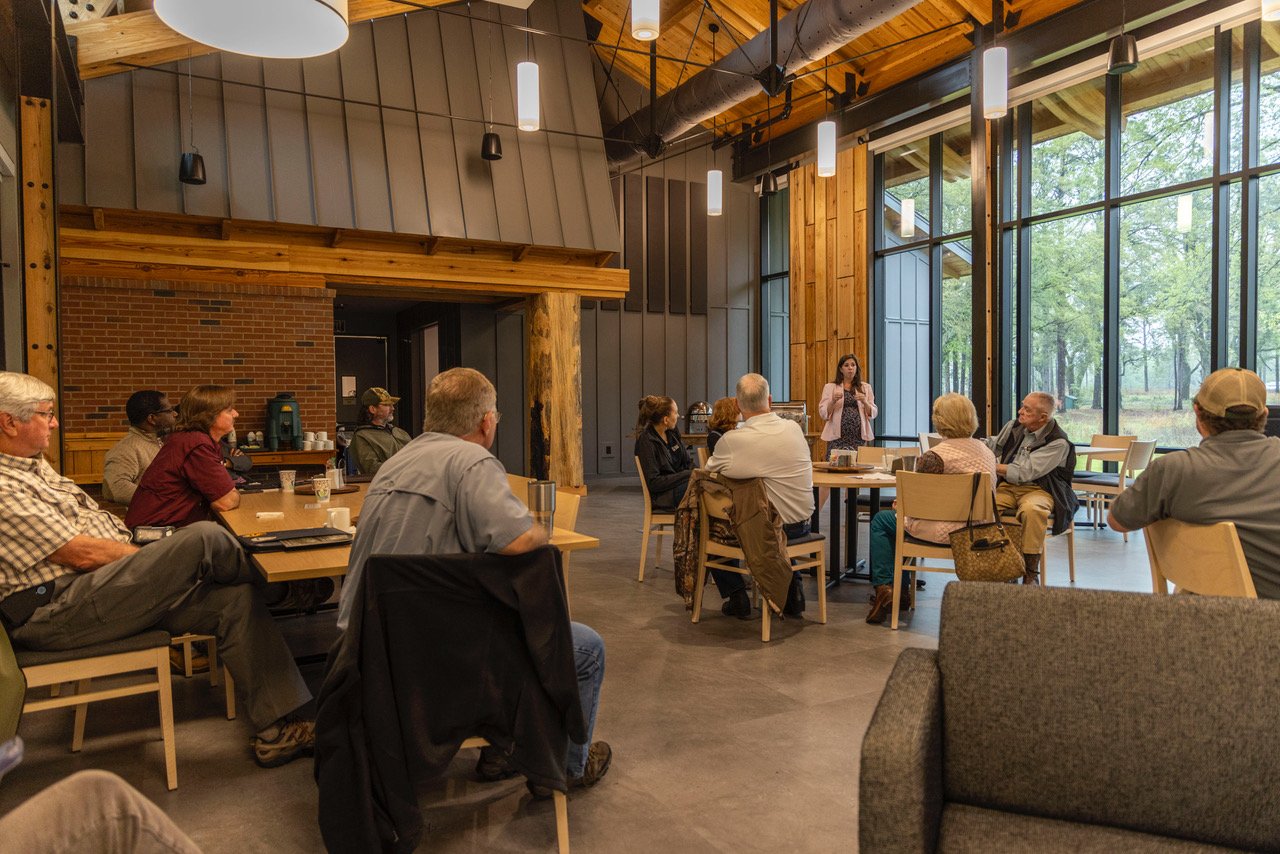
Since 2020, the Flint River Soil and Water Conservation District has offered in-person large corral style trapping training workshops. In addition, the District developed georgiaferalswine.com, a statewide tool for feral swine resources, online trainings, and information. Visit the link below to see feral swine events across the state.
-

Cooperative Aerial Control
The Flint River Soil and Water Conservation District works locally with landowners, farmers, and land managers with large, contiguous acres interested in developing aerial control projects. Projects have local need, are concentrated in areas with suitable land use and pig densities for aerial control efforts, and require general consensus and buy-in from participating landowne
-

Albany Area Pilot Project
The Feral Swine Control Pilot Project was established through the 2018 Farm Bill to address the growing problem of feral swine through removal and research efforts. The Albany Area project, led by the Flint River Soil and Water Conservation District in partnership with USDA-APHIS and USDA-NRCS, was one of the 20 initial pilot projects in the country. This project worked with landowners and farmers in Calhoun County, Georgia to conduct coordinated aerial and ground control efforts focused on whole sounder removal, as well as research centered on natural resource concerns, on 63,000 contiguous acres.
-

Webster County Pilot Project
From 2018-2020, the Flint River Soil and Water Conservation District lead a pilot project in cooperation with Georgia DNR, JAGER PRO, Georgia EPD, USDA Wildlife Services, and local landowners to provide technical expertise to landowners across 5,000 acres in Webster County, Georgia for intensive, integrated feral swine control. The objective of this project was to improve water quality and reduce crop damage as a result of feral swine removal.